PlatPhorm Podcasts

The Daily

This is what the news should sound like. The biggest stories of our time, told by the best journalists in the world. Hosted by Michael Barbaro, Rachel Abrams and Natalie Kitroeff. Twenty minutes a day, six days a week, ready by 6 a.m. Subscribe today at nytimes.com/podcasts or on Apple Podcasts and Spotify. You can also subscribe via your favorite podcast app here https://www.nytimes.com/activate-access/audio?source=podcatcher.

Open publisher feed

25 indexed items · language not specified · active

Open feed

Community rank is loading…

Episodes

8/28/2026

Lindsay Clancy Is on Trial. So Is Postpartum Psychosis. artwork

episode · Checking source

Lindsay Clancy Is on Trial. So Is Postpartum Psychosis.

The Daily

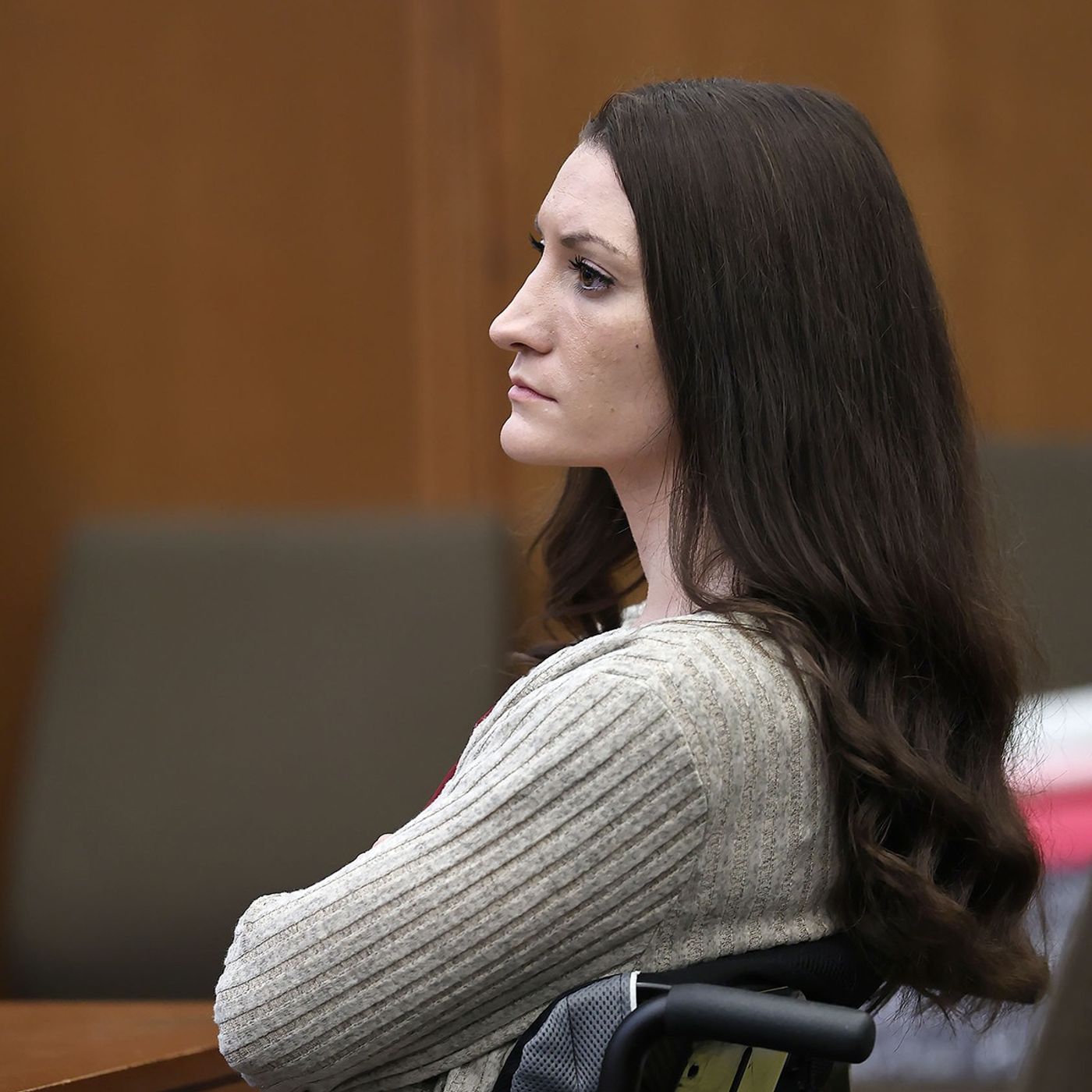
Warning: this episode mentions suicide. The trial of Lindsay Clancy, a mother who is being tried for the killings of her three young children, has captivated the country for weeks. It has also raised difficult questions about how we treat postpartum women who are in crisis. Ellen Barry, a New York Times reporter who has been covering the trial, takes us inside the courtroom and explains the stakes of the outcome. Guest: Ellen Barry , a reporter covering mental health for The New York Times. Background reading: What we know about the trial of Lindsay Clancy for her children’s deaths. Why the Lindsay Clancy case is dividing Americans . How to understand the wide range of sympathy for a mother on trial for murder. Photo: Pool photo by Greg Derr For more information on today’s episode, visit nytimes.com/thedaily . Transcripts of each episode will be made available by the next workday. Subscribe today at nytimes.com/podcasts or on Apple Podcasts and Spotify. You can also subscribe via your favorite podcast app here https://www.nytimes.com/activate-access/audio?source=podcatcher . For more podcasts and narrated articles, download The New York Times app at nytimes.com/app. Hosted by Simplecast, an AdsWizz company. See pcm.adswizz.com for information about our collection and use of personal data for advertising.

View original

8/27/2026

A Historic Settlement Over Social Media Addiction artwork

episode · Checking source

A Historic Settlement Over Social Media Addiction

The Daily

Meta, the world’s biggest social media company, reached a multibillion-dollar legal settlement on Wednesday over claims that its technology was addictive to children. The company agreed to impose major changes to how minors use its products. Cecilia Kang, a technology reporter for The New York Times, explains why a company that almost never backs down finally cut a deal, and whether this will start a new era of accountability for Big Tech. Guest: Cecilia Kang , a reporter covering technology and regulatory policy for The New York Times. Background reading: Meta will pay up to $17.1 billion over claims of social media addiction. A movement to restrict social media for children has taken hold globally . Photo: Jason Henry for The New York Times For more information on today’s episode, visit nytimes.com/thedaily . Transcripts of each episode will be made available by the next workday. Subscribe today at nytimes.com/podcasts or on Apple Podcasts and Spotify. You can also subscribe via your favorite podcast app here https://www.nytimes.com/activate-access/audio?source=podcatcher . For more podcasts and narrated articles, download The New York Times app at nytimes.com/app. Hosted by Simplecast, an AdsWizz company. See pcm.adswizz.com for information about our collection and use of personal data for advertising.

View original
8/26/2026

The Stunning Rise of the Democratic Socialists of America artwork

episode · Checking source

The Stunning Rise of the Democratic Socialists of America

The Daily

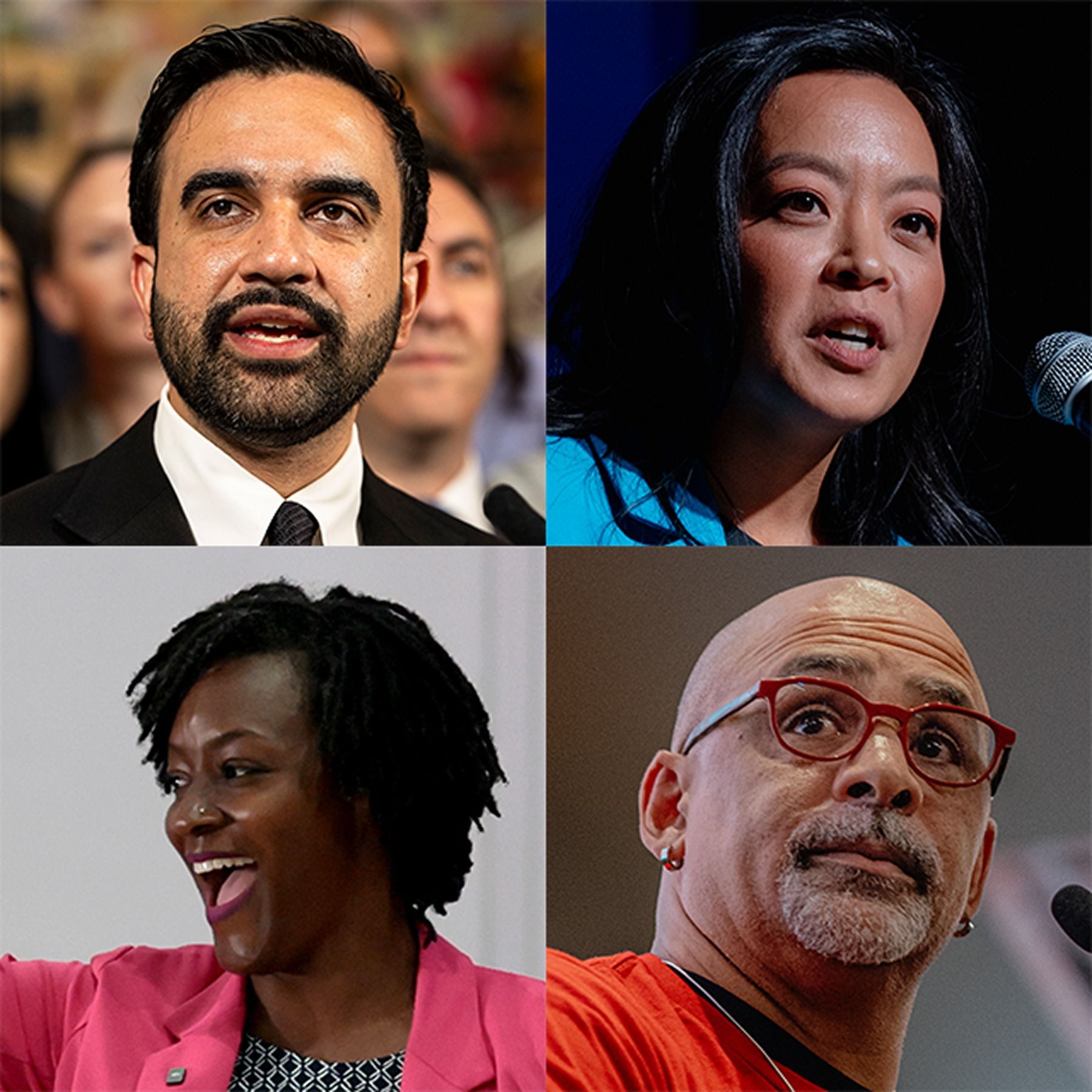
This summer, the Democratic Socialists of America have mounted their biggest and most successful attempt yet to redefine the Democratic Party. They have defeated its candidates in primary after primary from coast to coast. As its electoral success grows, the organization is confronting big, unresolved questions about what it stands for and what level of compromise is required to become a lasting political force. Charles Homans, who talked to more than 30 D.S.A. candidates, organizers, members and volunteers across the countries, discusses the rise and limitations of the D.S.A. Guest: Charles Homans writes about national politics for The New York Times and The Times Magazine. Background reading: Moderates see socialists as a threat to the Democratic Party . Socialists agree. Photo: Dave Sanders and Jamie Kelter Davis for The New York Times; Joe Raedle/Getty Images For more information on today’s episode, visit nytimes.com/thedaily . Transcripts of each episode will be made available by the next workday. Subscribe today at nytimes.com/podcasts or on Apple Podcasts and Spotify. You can also subscribe via your favorite podcast app here https://www.nytimes.com/activate-access/audio?source=podcatcher . For more podcasts and narrated articles, download The New York Times app at nytimes.com/app. Hosted by Simplecast, an AdsWizz company. See pcm.adswizz.com for information about our collection and use of personal data for advertising.

View original
8/23/2026

Think Baseball Is Boring? The Savannah Bananas Are Here to Fix That. artwork

episode · Checking source

Think Baseball Is Boring? The Savannah Bananas Are Here to Fix That.

The Daily

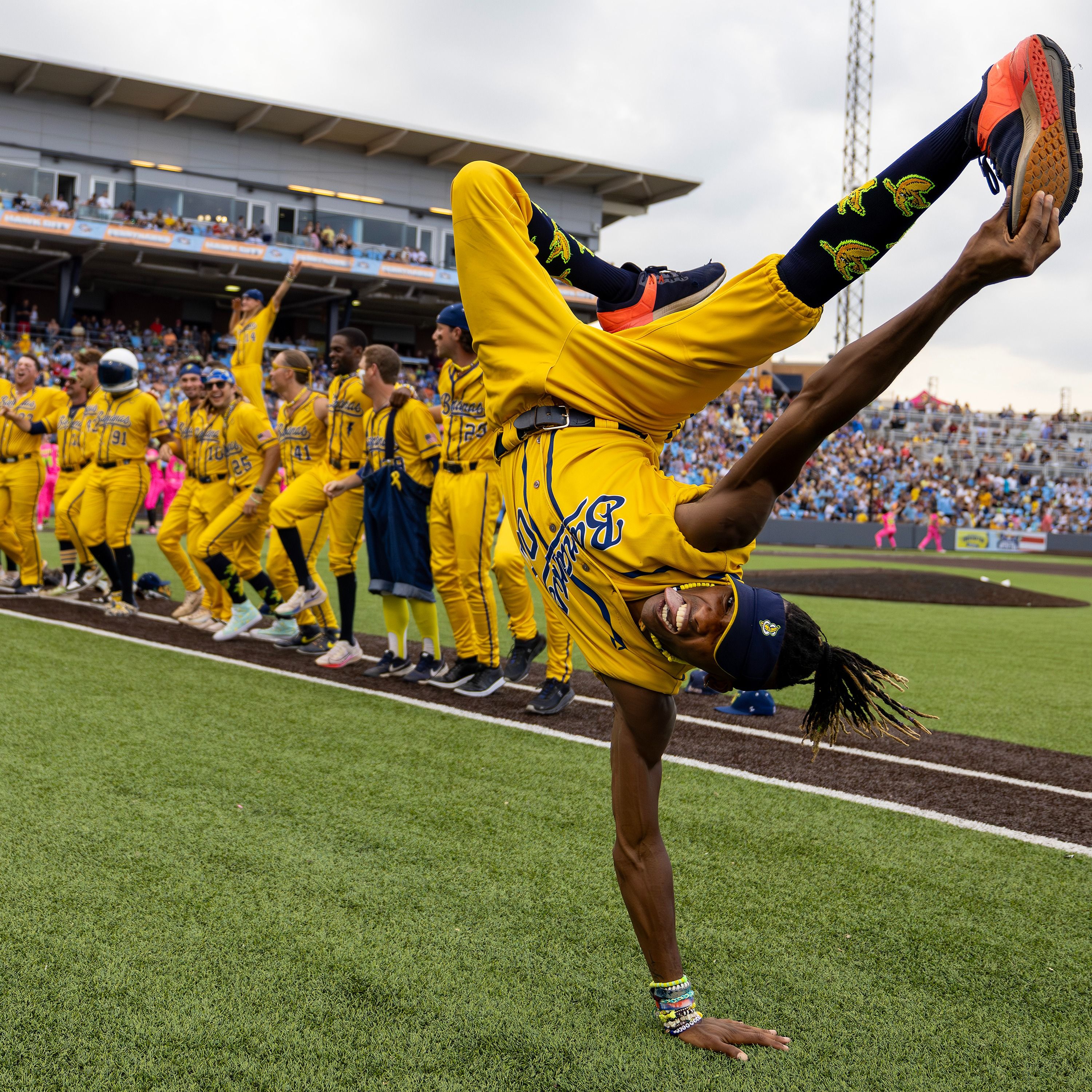
Jesse and Emily Cole created the Savannah Bananas with a simple mission in mind: to make baseball as entertaining as possible. They introduced some innovations to America’s pastime, including twerking umpires, stilt-walking pitchers and TikTok-ready choreographed dance numbers. They tinkered with the rules of baseball, making a game that was shorter and faster, with plenty of opportunities for fan engagement. The result? A sports sensation. In the 10 years since its founding, the team has become one of the most popular sports organizations in the world, reaching tens of millions of fans online, with a waiting list of millions of others hoping to see a game in person. For many, the Bananas are the ultimate sports success story, one that shows a path forward for teams and leagues concerned about fan retention in an era of shortened attention spans and endless entertainment options. But others take a less rosy view of the Bananas and their hyper-energetic brand of baseball, seeing them as an existential threat to a game that fans have loved for more than a hundred years. On today’s show, our host Natalie Kitroeff talks with Jonathan Abrams, a Times reporter who covers culture news, about the Bananas phenomenon, and then heads to a Banana Ball game to see things for herself. On Today's Episode Jonathan Abrams is a reporter for The New York Times covering national culture news. Background Reading A Broadway Star Is the Savannah Bananas’ Phantom of the Bullpen As Savannah Bananas pursue ‘a billion fans,’ are they real competition for MLB? Photo: Al Bello/Getty Images For more information on today’s episode, visit nytimes.com/thedaily . Transcripts of each episode will be made available by the next workday. Subscribe today at nytimes.com/podcasts or on Apple Podcasts and Spotify. You can also subscribe via your favorite podcast app here https://www.nytimes.com/activate-access/audio?source=podcatcher . For more podcasts and narrated articles, download The New York Times app at nytimes.com/app. Hosted by Simplecast, an AdsWizz company. See pcm.adswizz.com for information about our collection and use of personal data for advertising.

View original
8/22/2026

An Expert on Conflict Says Your Relationships Are Doomed Without It artwork

episode · Checking source

An Expert on Conflict Says Your Relationships Are Doomed Without It

The Daily

The author Priya Parker says the key to human connection is to lean into the fight. Thoughts? Email us at  theinterview@nytimes.com Watch our show on YouTube: youtube.com/@TheInterviewPodcast For transcripts and more, visit: nytimes.com/theinterview For more information on today’s episode, visit nytimes.com/thedaily . Transcripts of each episode will be made available by the next workday. Subscribe today at nytimes.com/podcasts or on Apple Podcasts and Spotify. You can also subscribe via your favorite podcast app here https://www.nytimes.com/activate-access/audio?source=podcatcher . For more podcasts and narrated articles, download The New York Times app at nytimes.com/app. Hosted by Simplecast, an AdsWizz company. See pcm.adswizz.com for information about our collection and use of personal data for advertising.

View original
8/16/2026

What Makes a Killer Thriller? artwork

episode · Checking source

What Makes a Killer Thriller?

The Daily

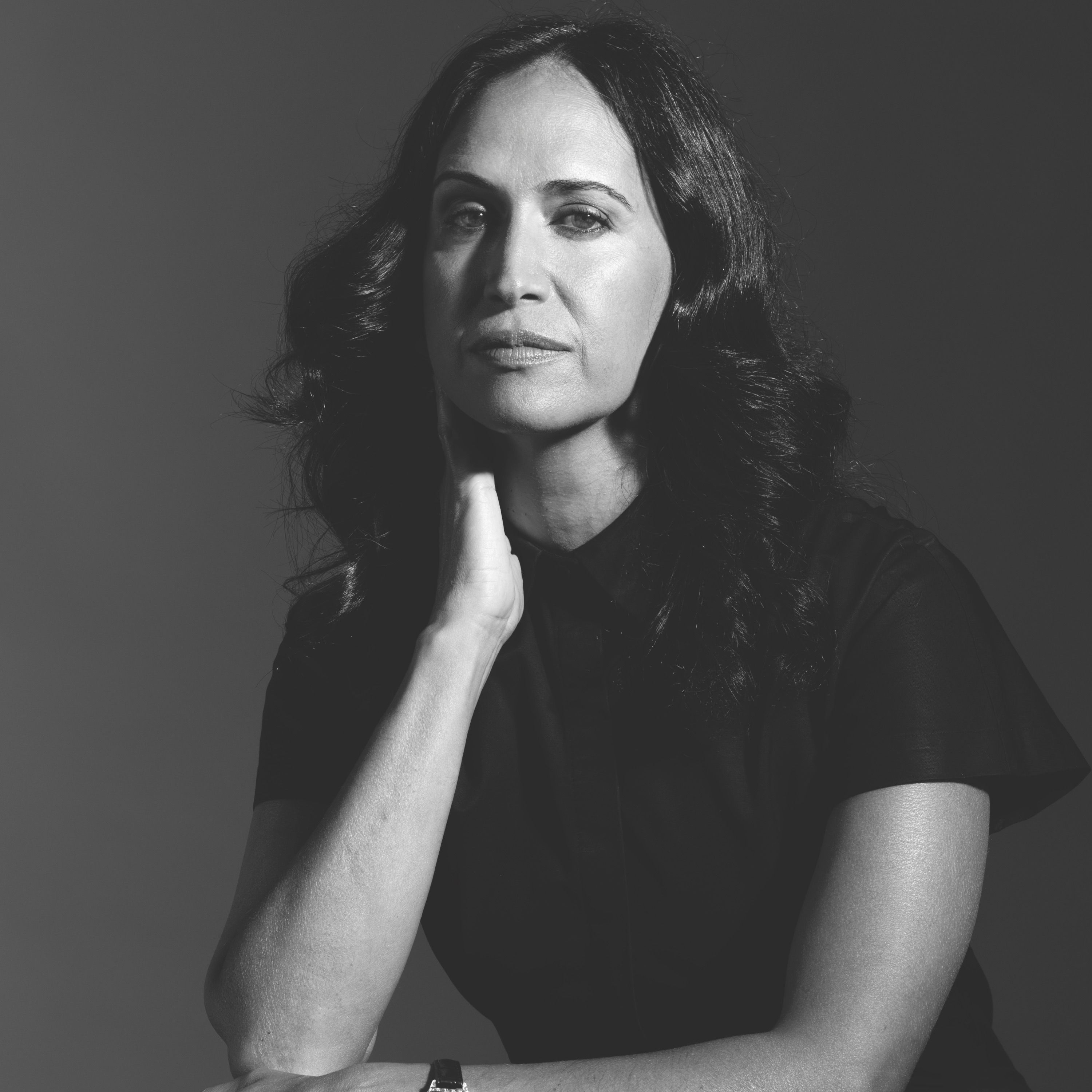
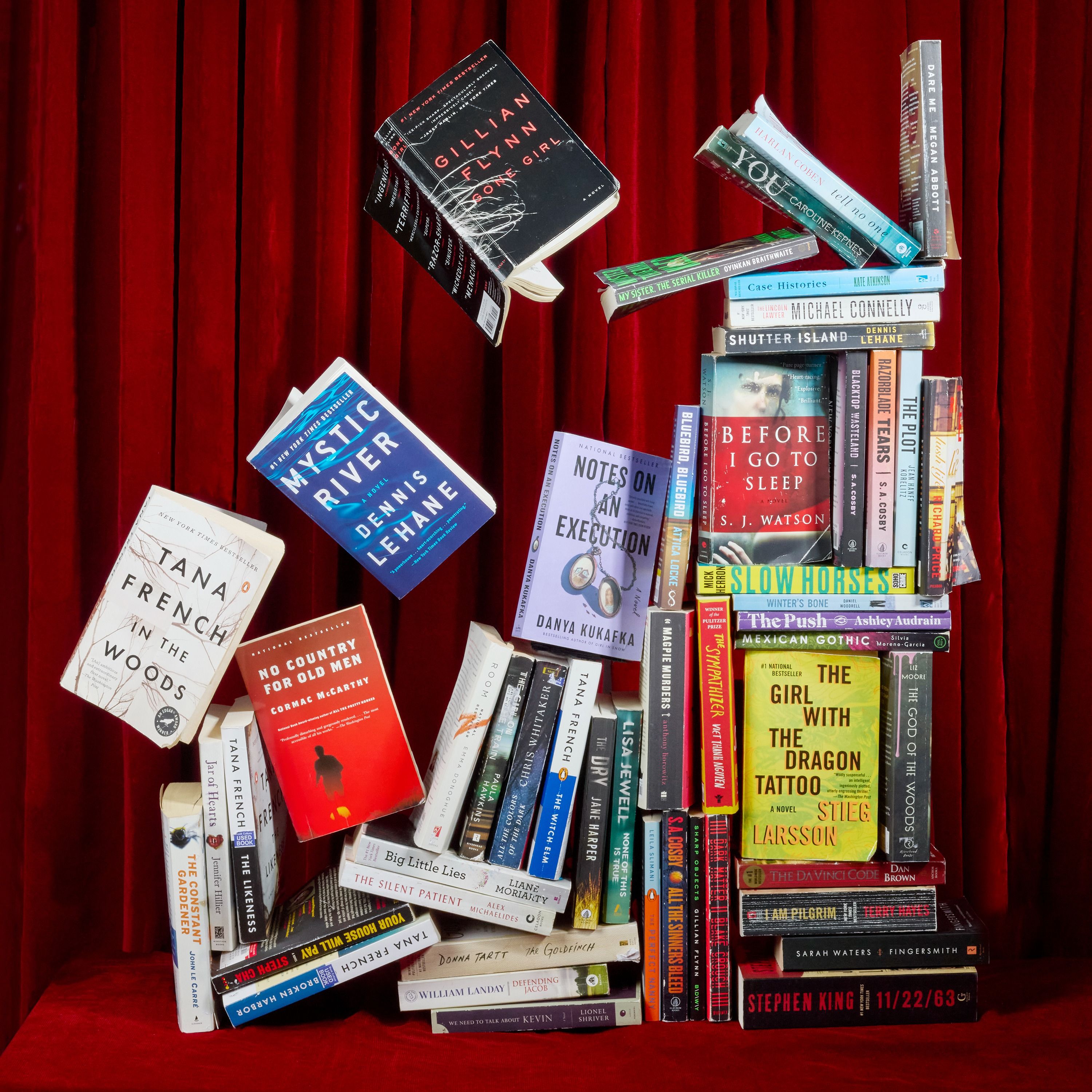
The New York Times Book Review recently released its list of the 50 best thrillers of the 21st century. To put it together, the team asked almost 300 authors and other experts to vote for the best heart-thumping, page-turning, white knuckle reads published since 2000. In this episode of “The Sunday Daily,” Natalie Kitroeff talks with the Times thrillers columnist, Sarah Lyall, about how the list came together. Then, Natalie speaks with one of the greatest thriller writers of this century — with four books featured on the list — the author Tana French. On Today’s Episode: Sarah Lyall writes a monthly thrillers column for The New York Times. Tana French is the author of many best-selling books, including “In the Woods,” “The Searcher,” “The Likeness” and “The Witch Elm.” Background Reading: The 50 Best Thrillers of the 21st Century Photo credit: Naila Ruechel For more information on today’s episode, visit nytimes.com/thedaily . Transcripts of each episode will be made available by the next workday. Subscribe today at nytimes.com/podcasts or on Apple Podcasts and Spotify. You can also subscribe via your favorite podcast app here https://www.nytimes.com/activate-access/audio?source=podcatcher . For more podcasts and narrated articles, download The New York Times app at nytimes.com/app. Hosted by Simplecast, an AdsWizz company. See pcm.adswizz.com for information about our collection and use of personal data for advertising.

View original

8/9/2026

Is 'Gentle Parenting' Ruining French Children? artwork

episode · Checking source

Is 'Gentle Parenting' Ruining French Children?

The Daily

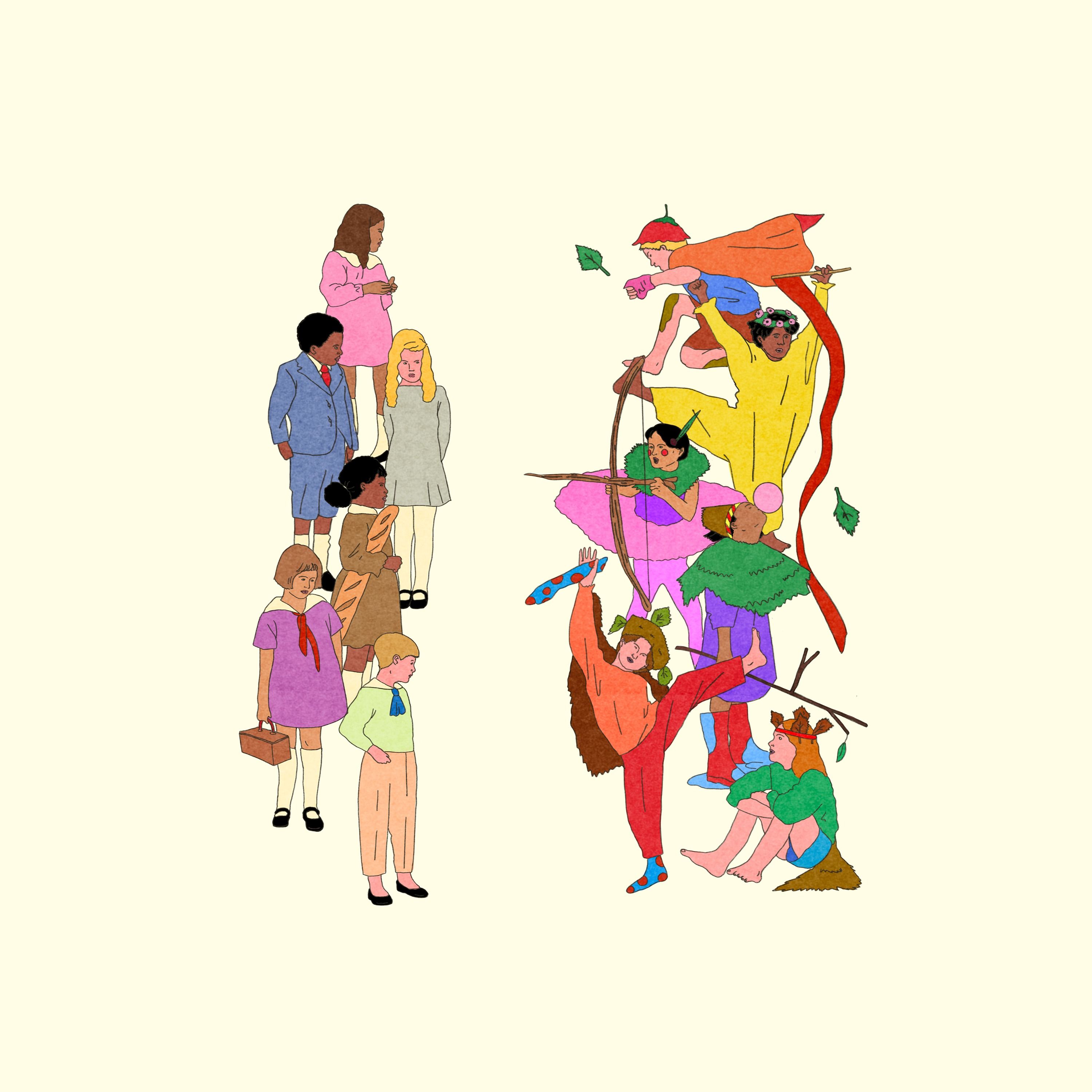
“Traditional” French parenting is built on a foundation of firm boundaries, strictness and punishment for misbehavior. Within these rules, children are also allowed freedom and autonomy, which some say results in both well-behaved children and stress-free parents. In recent years, though, American-style “gentle” or “positive” parenting has gained a toehold in the country, unsettling decades of orthodoxy about the best way to raise a French child. It has prompted a fierce debate, with both sides accusing the other of being harmful. In today’s episode, Madeleine Schwartz, a journalist who lives in Paris, talks with Michael Barbaro about the dispute over parenting styles in France and what it says about the eternal search for the “right” way to raise children. On Today’s Episode: Madeleine Schwartz is a journalist and editor in Paris. Background Reading: Did American-Style ‘Gentle Parenting’ Spoil French Children? Art Credit: Illustration by Kimberly Elliott For more information on today’s episode, visit nytimes.com/thedaily . Transcripts of each episode will be made available by the next workday. Subscribe today at nytimes.com/podcasts or on Apple Podcasts and Spotify. You can also subscribe via your favorite podcast app here https://www.nytimes.com/activate-access/audio?source=podcatcher . For more podcasts and narrated articles, download The New York Times app at nytimes.com/app. Hosted by Simplecast, an AdsWizz company. See pcm.adswizz.com for information about our collection and use of personal data for advertising.

View original

8/2/2026

After Losing Her Limbs, Our Cooking Columnist Returns to the Kitchen artwork

episode · Checking source

After Losing Her Limbs, Our Cooking Columnist Returns to the Kitchen

The Daily

For decades, the kitchen was the centerpiece of Yewande Komolafe’s life. She spent long hours there, first as a restaurant cook and later as a recipe developer. But though she loved the often-intense culinary world, she had to navigate it with certain limitations: She was born with sickle cell disease, an inherited blood disorder, which required her to carefully manage her working life. She did so successfully, becoming a celebrated cookbook author and food writer for The Times. A medical crisis in December 2023 changed all of that. Komolafe ended up in a coma for six weeks, and after emerging learned that both her legs and her fingers would need to be amputated. In this episode of “The Sunday Daily,” Komolafe tells Rachel Abrams about what happened and how, after everything, she made her way back into the kitchen. On Today’s Episode: Yewande Komolafe is a cooking columnist for The New York Times. Background Reading: How Losing My Limbs Turned Me Into a Different Kind of Cook The Chef Imagining a More Accessible World, One Meal at a Time Photo credit: Lanna Apisukh. For more information on today’s episode, visit nytimes.com/thedaily . Transcripts of each episode will be made available by the next workday. Subscribe today at nytimes.com/podcasts or on Apple Podcasts and Spotify. You can also subscribe via your favorite podcast app here https://www.nytimes.com/activate-access/audio?source=podcatcher . For more podcasts and narrated articles, download The New York Times app at nytimes.com/app. Hosted by Simplecast, an AdsWizz company. See pcm.adswizz.com for information about our collection and use of personal data for advertising.

View original

7/26/2026

Why Do Some Memories Survive Dementia? artwork

episode · Checking source

Why Do Some Memories Survive Dementia?

The Daily

When the Times reporter Ellen Barry’s father developed dementia after a fall, her family spent years trying to manage his erratic behavior and confusion. They struggled to convince him that he was home, he was safe, and he shouldn’t try to leave. The experience was exasperating and impossible to understand. Today, Ellen tells the story of those years, and of how she discovered scientific research that helped explain everything her family had lived through — research that could potentially help to save precious memories from being lost forever. On Today’s Episode Ellen Barry , a mental health reporter for The New York Times Background Reading When My Father’s Canary Flew Away For more information on today’s episode, visit nytimes.com/thedaily . Transcripts of each episode will be made available by the next workday. Subscribe today at nytimes.com/podcasts or on Apple Podcasts and Spotify. You can also subscribe via your favorite podcast app here https://www.nytimes.com/activate-access/audio?source=podcatcher . For more podcasts and narrated articles, download The New York Times app at nytimes.com/app. Hosted by Simplecast, an AdsWizz company. See pcm.adswizz.com for information about our collection and use of personal data for advertising.

View original
7/19/2026

The World Cup Final Is Here artwork

episode · Checking source

The World Cup Final Is Here

The Daily

After a month of competition across North America and 103 matches, the 2026 World Cup is down to its final game. Spain and Argentina will meet this afternoon in a match expected to draw over one billion viewers around the world. Spain is hoping its well-oiled machine and young star can bring it its second World Cup win. Argentina is looking to Lionel Messi, its longtime star, to secure victory in what could be his last game at the World Cup. On today’s episode, Tariq Panja traces the road to this historic final and explains what to know before kickoff. Tariq Panja , a global sports correspondent for The New York Times. Background Reading Why Everyone Cares About This World Cup For more information on today’s episode, visit nytimes.com/thedaily . Transcripts of each episode will be made available by the next workday. Subscribe today at nytimes.com/podcasts or on Apple Podcasts and Spotify. You can also subscribe via your favorite podcast app here https://www.nytimes.com/activate-access/audio?source=podcatcher . For more podcasts and narrated articles, download The New York Times app at nytimes.com/app. Hosted by Simplecast, an AdsWizz company. See pcm.adswizz.com for information about our collection and use of personal data for advertising.

View original

7/12/2026

What’s Epic About the ‘Odyssey’? Everything. artwork

episode · Checking source

What’s Epic About the ‘Odyssey’? Everything.

The Daily

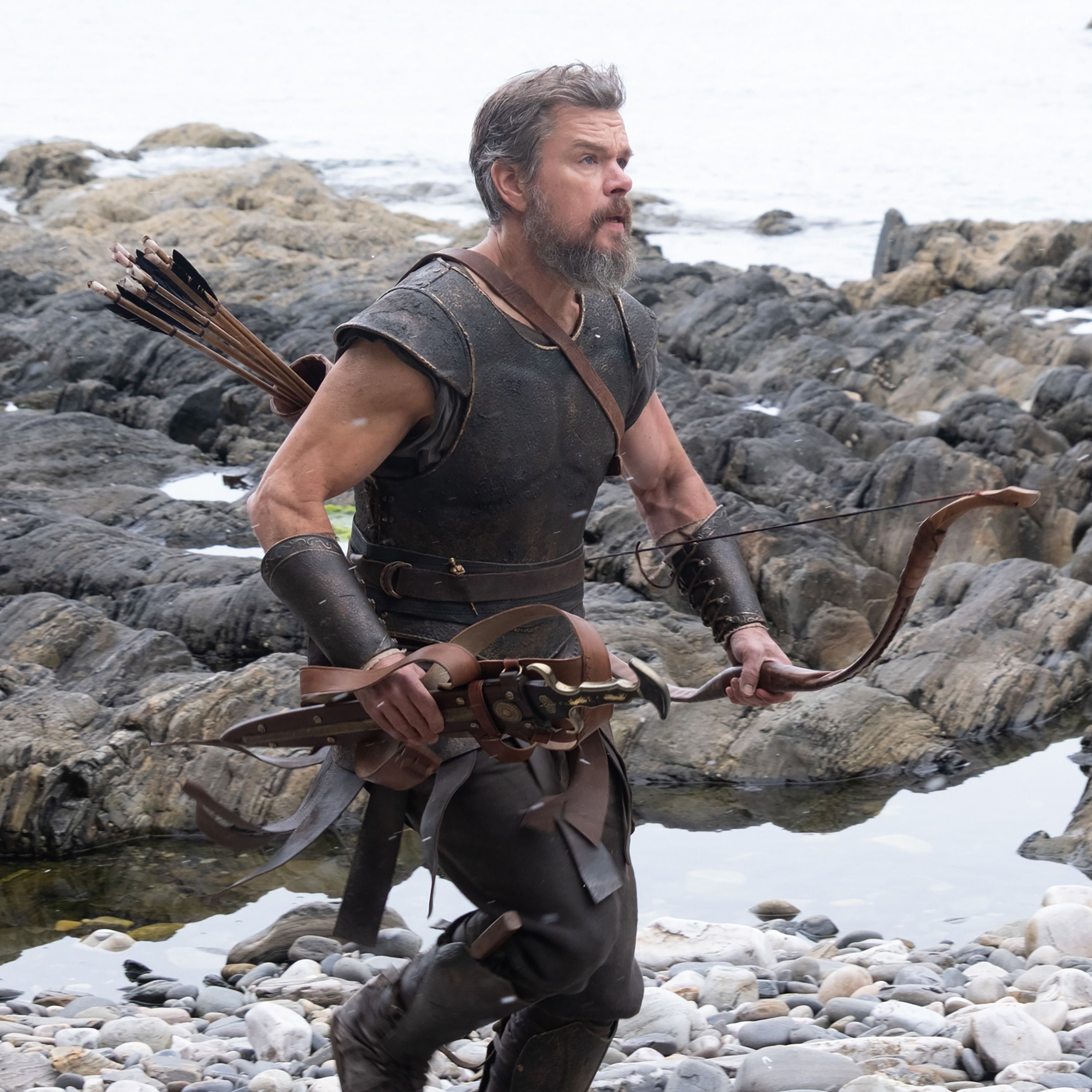
This Friday, “The Odyssey,” directed by Christopher Nolan, hits theaters. Even before the movie’s release, though, it’s proving to be a cultural event. Spirited discussions of Nolan’s cinematic interpretation of the epic poem already abound online, and they are likely to intensify after the public sees the film. Why does a 12,000-line poem that is nearly 3,000 years old still feel resonant today? In this episode of “The Sunday Daily,” Natalie Kitroeff talks about the “Odyssey” with two writers who have produced some critically acclaimed and widely read modern interpretations of Greek classics: Emily Wilson, the first woman to translate the “Odyssey” from ancient Greek, and Madeline Miller, the author of the best-selling novels “Circe” and “Song of Achilles.” On Today’s Episode: Emily Wilson , a professor, classicist, author and translator of the “Odyssey” Madeline Miller , the author of “Circe,” “Song of Achilles” and other books Background Reading: We’ll Help You Find Your Next Great Book. (Spoiler: It’s the ‘Odyssey.’) The First Woman to Translate the ‘Odyssey’ Into English Book Review: Turning Circe Into a Good Witch Photo: Melinda Sue Gordon/Universal Pictures For more information on today’s episode, visit nytimes.com/thedaily . Transcripts of each episode will be made available by the next workday. Subscribe today at nytimes.com/podcasts or on Apple Podcasts and Spotify. You can also subscribe via your favorite podcast app here https://www.nytimes.com/activate-access/audio?source=podcatcher . For more podcasts and narrated articles, download The New York Times app at nytimes.com/app. Hosted by Simplecast, an AdsWizz company. See pcm.adswizz.com for information about our collection and use of personal data for advertising.

View original
7/5/2026

The Most American Episode of The Daily, Ever. artwork

episode · Checking source

The Most American Episode of The Daily, Ever.

The Daily

In celebration of the United States of America’s 250th birthday, we posed a simple question to some of our favorite critics, columnists and editors across the New York Times newsroom, people who write about books, movies, TV shows, science, sports, wellness and food. We asked: What’s the most American thing on your beat? On today’s episode, we present their answers. Happy Birthday, America! On Today’s Episode Joshua Barone, culture editor, on “Rodeo,” composed by Aaron Copland Vanessa Friedman, chief fashion critic, on workout gear Erik Piepenburg, culture writer, on the movie “Get Out” Kevin Roose, technology columnist, on Amazon Prime Mekado Murphy, culture editor, on the roller coaster The Beast James Poniewozik, chief television critic, on “Survivor” Jancee Dunn, wellness writer, on productivity and sleep Elena Bergeron, culture editor, on U.S. hockey Jennifer Szalai, nonfiction book critic at the Book Review, on “Paved Paradise: How Parking Explains the World” by Henry Grabar Bill Wasik, science editor, on liquid rocket fuel Madison Malone Kircher, internet culture reporter, on Bama Rush Kim Severson, food reporter, on M&M’s MJ Franklin, editor at the Book Review, on “The Love Songs of W.E.B. Du Bois” by Honorée Fanonne Jeffers Helen Shaw, chief theater critic, on “The Century Cycle” by August Wilson Alissa Wilkinson, film critic, on the movie “There Will Be Blood” Zachary Small, culture reporter, on Grand Theft Auto Elisabeth Vincentelli, culture reporter, on demolition derbies Jason Zinoman, critic at large, on the song “Political Science” by Randy Newman Jason Farago, critic at large, on the Statue of Liberty A.O. Scott, critic at large, on “Crossing Brooklyn Ferry” by Walt Whitman (featuring a reading by Jeffrey Wright) Gia Kourlas, dance critic, on “Stars and Stripes” by George Balanchine and “Appalachian Spring” by Martha Graham Jon Caramanica, pop music critic, on “Trump Trump Baby” by Forgiato Blow Photo credit: The New York Times For more information on today’s episode, visit nytimes.com/thedaily . Transcripts of each episode will be made available by the next workday. Subscribe today at nytimes.com/podcasts or on Apple Podcasts and Spotify. You can also subscribe via your favorite podcast app here https://www.nytimes.com/activate-access/audio?source=podcatcher . For more podcasts and narrated articles, download The New York Times app at nytimes.com/app. Hosted by Simplecast, an AdsWizz company. See pcm.adswizz.com for information about our collection and use of personal data for advertising.

View original
6/28/2026

The Last 12 Weeks artwork

episode · Checking source

The Last 12 Weeks

The Daily

In 1992, David Wood became El Paso’s most notorious convicted serial killer. He has been on death row ever since. More than 30 years later, his lawyers have just a few months to argue his innocence and stop his execution. This is the first episode of a new five-part series from Serial Productions called “The Last 12 Weeks.” You can find the rest of the series by searching for “The Last 12 Weeks” on your favorite podcast player. To find out about new shows from Serial Productions, and get a look behind the scenes, sign up for our newsletter at: https://www.nytimes.com/newsletters/serial Have a story pitch, a tip, or feedback on our shows? Email us at serialshows@nytimes.com For more information on today’s episode, visit nytimes.com/thedaily . Transcripts of each episode will be made available by the next workday. Subscribe today at nytimes.com/podcasts or on Apple Podcasts and Spotify. You can also subscribe via your favorite podcast app here https://www.nytimes.com/activate-access/audio?source=podcatcher . For more podcasts and narrated articles, download The New York Times app at nytimes.com/app. Hosted by Simplecast, an AdsWizz company. See pcm.adswizz.com for information about our collection and use of personal data for advertising.

View original
6/21/2026

Can a Bad Man Be a Good Father? artwork

episode · Checking source

Can a Bad Man Be a Good Father?

The Daily

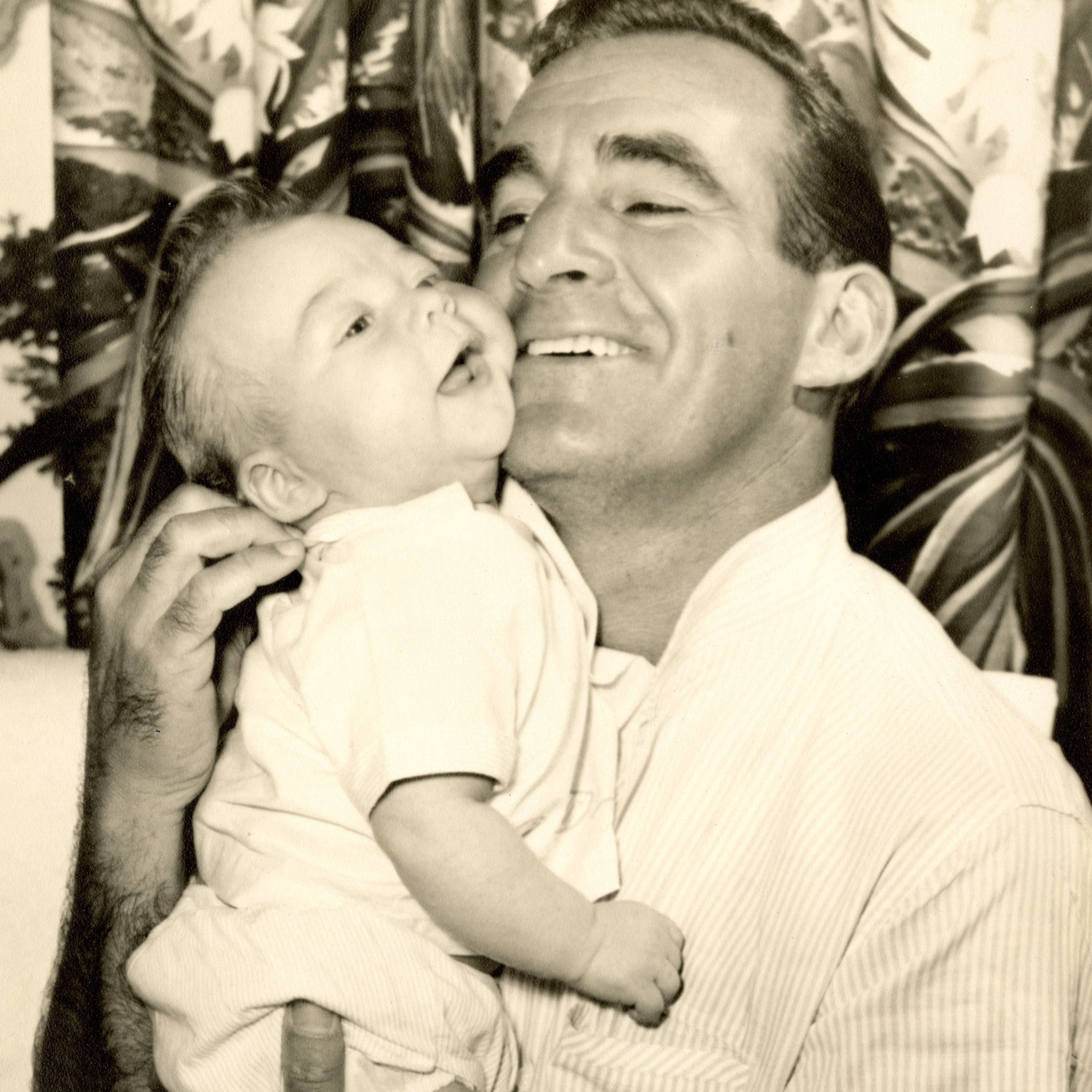
The writer Tom Junod has spent a career crafting profiles for men’s magazines like GQ and Esquire, often of famously complicated men like Norman Mailer, Kevin Spacey and Tony Curtis. But another man loomed behind Junod’s interest in these figures, informing his own sense of masculinity and manhood: his father, Lou. Lou Junod was handsome, charismatic — a man who seemed like a celebrity, even though he wasn’t famous. He was also mysterious, a keeper of secrets that have continued to reverberate through his son’s life. On today’s episode, Michael Barbaro talks with Junod about his new book, “ In the Days of My Youth I Was Told What It Means to Be a Man, ” which is part memoir and part detective story, as well as a powerful meditation on fatherhood. On Today’s Episode: Tom Junod is the author of “In the Days of My Youth I Was Told What It Means to Be a Man.” Background Reading: Tom Junod Would Like to Tell You About His Father Art: Lou Junod with baby Tom in 1958. For more information on today’s episode, visit nytimes.com/thedaily . Transcripts of each episode will be made available by the next workday. Subscribe today at nytimes.com/podcasts or on Apple Podcasts and Spotify. You can also subscribe via your favorite podcast app here https://www.nytimes.com/activate-access/audio?source=podcatcher . For more podcasts and narrated articles, download The New York Times app at nytimes.com/app. Hosted by Simplecast, an AdsWizz company. See pcm.adswizz.com for information about our collection and use of personal data for advertising.

View original
6/14/2026

Do Aliens Exist? Steven Spielberg Believes They Do artwork

episode · Checking source

Do Aliens Exist? Steven Spielberg Believes They Do

The Daily

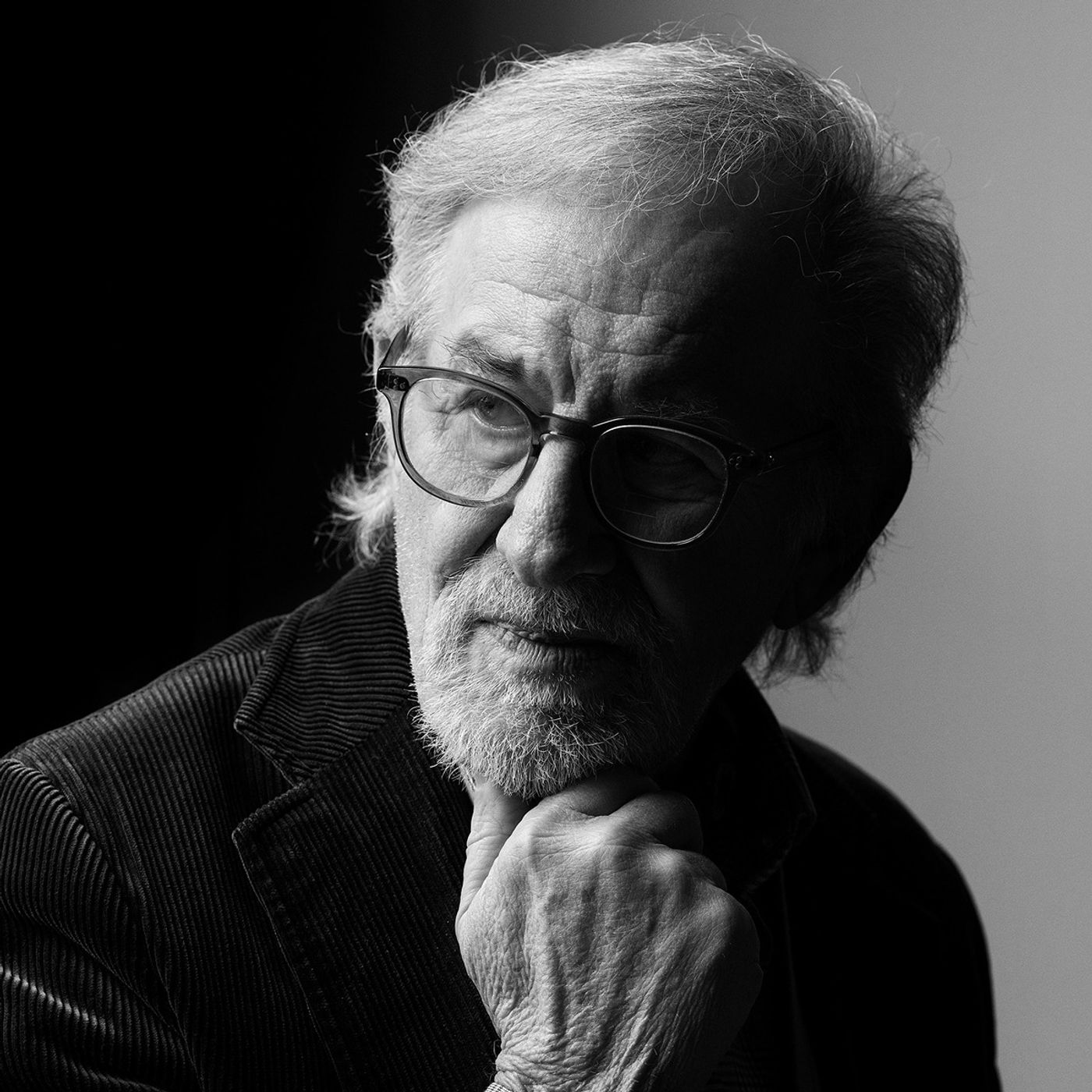
Almost 50 years ago, Steven Spielberg directed “Close Encounters of the Third Kind,” the story of an average man who discovers that humanity may not be alone in the universe. Over the decades, Spielberg has directed several movies about what would happen if humanity made contact with aliens. Would the aliens be kind like the title character in “E.T. the Extra Terrestrial”? Would they be cruel like the murderous aliens of “War of the Worlds”? And regardless of what the aliens were like, would we humans be ready to receive them? Spielberg returns to the question of whether we’re alone in the universe, and what it might mean if we’re not, with his new film “Disclosure Day.” Today, he sits down with Rachel Abrams, a host of “The Daily,” to talk about the film, and about what he has learned over five decades of making movies about aliens. On Today’s Episode Steven Spielberg, director of “Disclosure Day.” Background Reading ‘Disclosure Day’ Review: Spielberg Plays His Greatest Cosmic Hits What Steven Spielberg Taught Me About Fear, Catharsis, and Being Human Photo credit: Paolo Pellegrin/Magnum, for The New York Times For more information on today’s episode, visit nytimes.com/thedaily . Transcripts of each episode will be made available by the next workday. Subscribe today at nytimes.com/podcasts or on Apple Podcasts and Spotify. You can also subscribe via your favorite podcast app here https://www.nytimes.com/activate-access/audio?source=podcatcher . For more podcasts and narrated articles, download The New York Times app at nytimes.com/app. Hosted by Simplecast, an AdsWizz company. See pcm.adswizz.com for information about our collection and use of personal data for advertising.

View original

6/6/2026

Everything You Need to Know About the World Cup artwork

episode · Checking source

Everything You Need to Know About the World Cup

The Daily

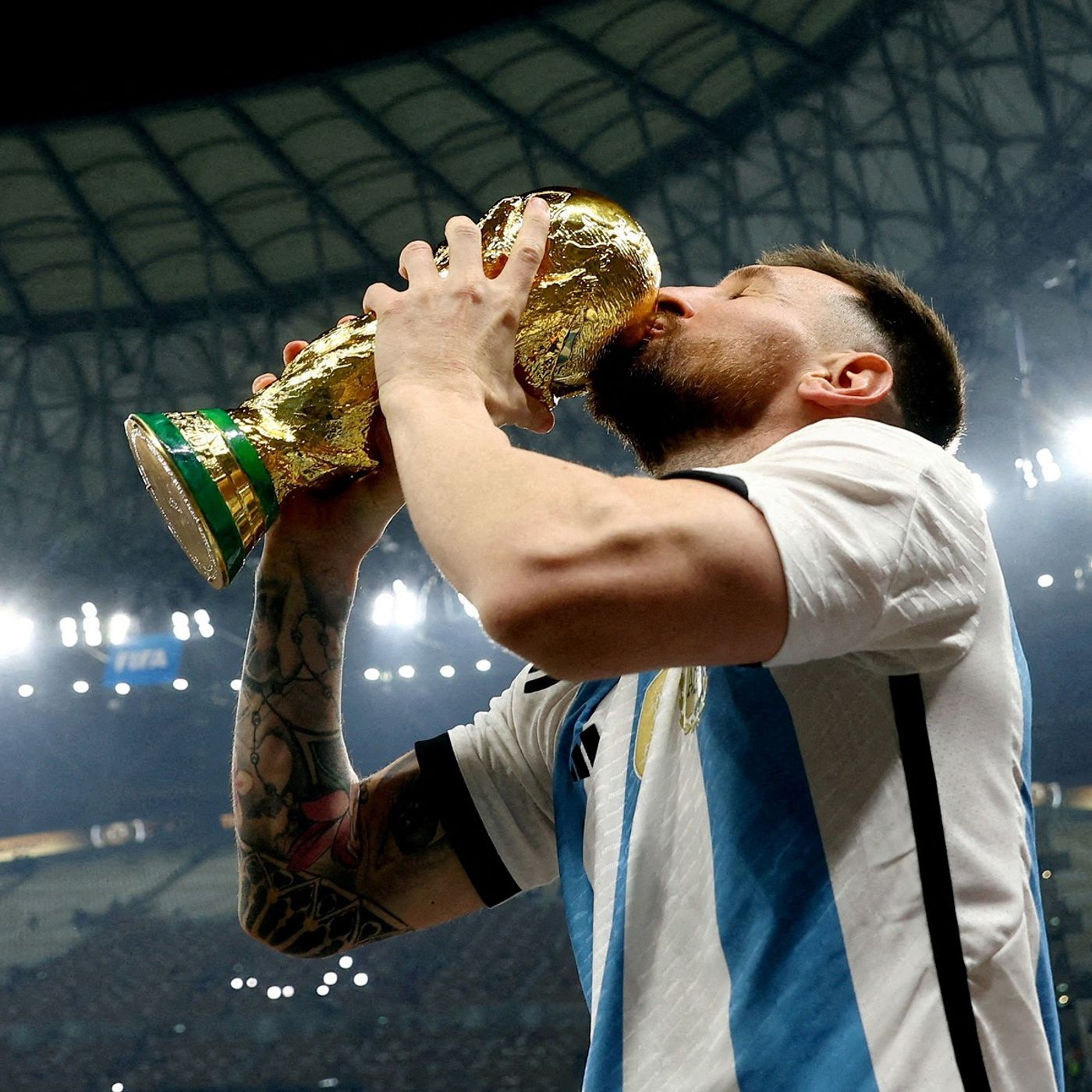
The 2026 World Cup is about to descend on North America — spread across three countries, with 48 teams, and 104 games, and with billions of fans across the globe tuning in to watch the biggest sporting event on the planet. Today, Tariq Panja, global soccer correspondent for The New York Times, breaks down everything you need to know about this year’s tournament — the arrival of historic first-timers, like Curaçao, the aging legends like Lionel Messi and Cristiano Ronaldo, who are making their final appearances, and the eye-watering ticket prices that are driving fans to financial extremes just to book a seat. On Today’s Episode: Tariq Panja , is a global sports correspondent for the New York Times. Background Reading: The World Cup’s Forgotten Team World Cup or Bust: Going Into Debt, Sleeping 10 to a Room and Layovers for Days Photo credit: Hannah Mckay/Reuters. For more information on today’s episode, visit nytimes.com/thedaily . Transcripts of each episode will be made available by the next workday. Subscribe today at nytimes.com/podcasts or on Apple Podcasts and Spotify. You can also subscribe via your favorite podcast app here https://www.nytimes.com/activate-access/audio?source=podcatcher . For more podcasts and narrated articles, download The New York Times app at nytimes.com/app. Hosted by Simplecast, an AdsWizz company. See pcm.adswizz.com for information about our collection and use of personal data for advertising.

View original
5/31/2026

Popcast: Olivia Rodrigo Tried Writing Love Songs. Then Life Got Messy. artwork

episode · Checking source

Popcast: Olivia Rodrigo Tried Writing Love Songs. Then Life Got Messy.

The Daily

Olivia Rodrigo sat down with Joe and Jon for her first in-depth conversation about her new album, “you seem pretty sad for a girl so in love,” out June 12. She discussed the many ways her creative process intersects with the extracurricular noise of pop superstardom, whether its managing relationship drama; being targeted for the way she dresses, accusations of pilfering songwriting gestures from Taylor Swift, her onetime idol, or her willingness to speak up about political and social causes in a way many of her peers won’t. For more information on today’s episode, visit nytimes.com/thedaily . Transcripts of each episode will be made available by the next workday. Subscribe today at nytimes.com/podcasts or on Apple Podcasts and Spotify. You can also subscribe via your favorite podcast app here https://www.nytimes.com/activate-access/audio?source=podcatcher . For more podcasts and narrated articles, download The New York Times app at nytimes.com/app. Hosted by Simplecast, an AdsWizz company. See pcm.adswizz.com for information about our collection and use of personal data for advertising.

View original

5/24/2026

Sites Unseen: What’s Revealed by Traveling With the Blind artwork

episode · Checking source

Sites Unseen: What’s Revealed by Traveling With the Blind

The Daily

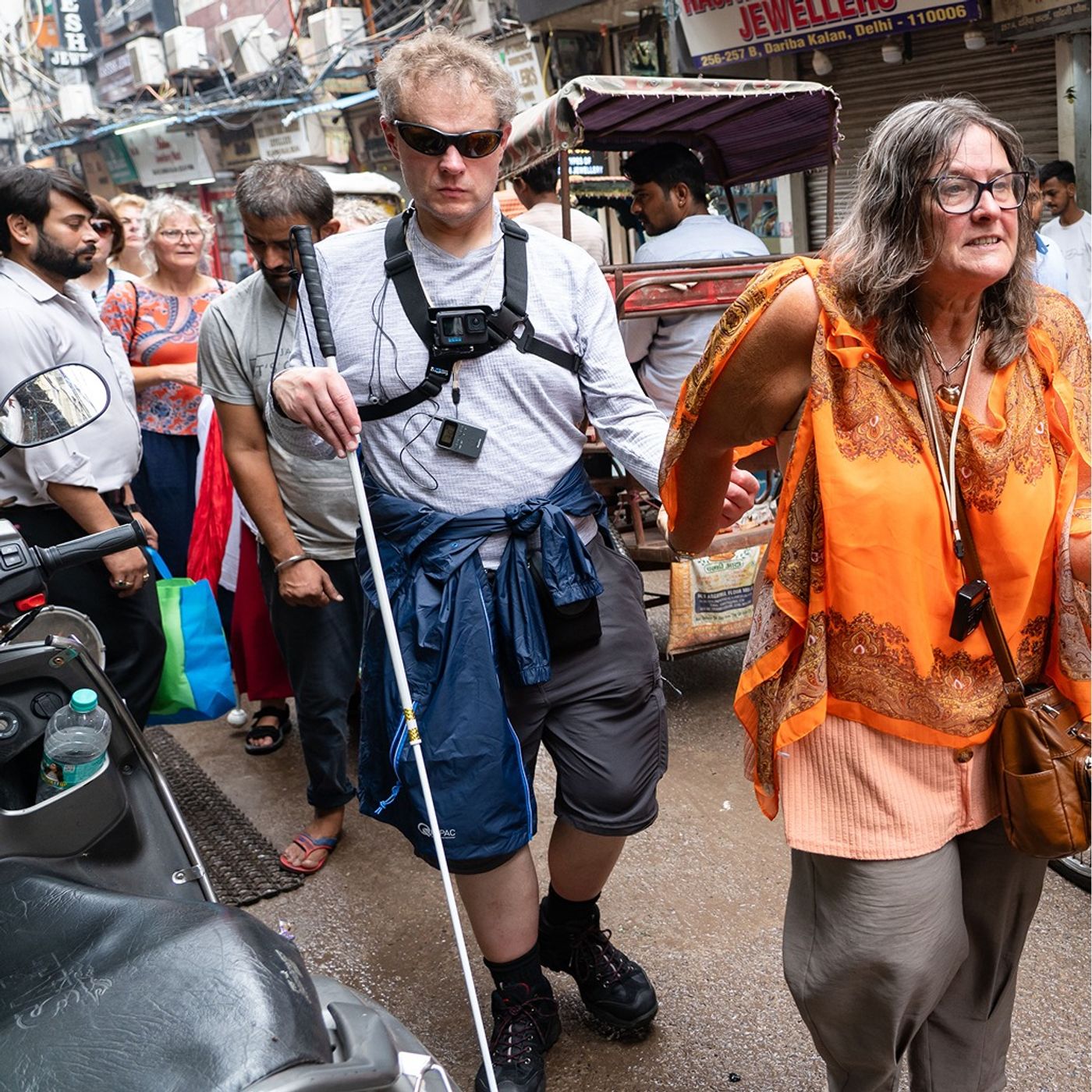
Andy Isaacson is a writer and photographer. His work for The Times has taken him to every corner of the world, and he has transmitted what he’s experienced through his images. But recently, Isaacson took a trip unlike any he’d taken before. Not because of where he traveled, but because of how he traveled. Paired with a set of unlikely travel companions, he put down his camera and experienced the word through touch, smell and sound. On today’s episode of “The Sunday Daily,” Isaacson talks with Host Michael Barbaro about a trip that forever changed the way he travels. On today's episode: Andy Isaacson , a contributing writer and photographer for The New York Times. Background Reading Sites Unseen: What Travel Is Like for Those Who Can’t See Photo credit: Andy Isaacson For more information on today’s episode, visit nytimes.com/thedaily . Transcripts of each episode will be made available by the next workday. Subscribe today at nytimes.com/podcasts or on Apple Podcasts and Spotify. You can also subscribe via your favorite podcast app here https://www.nytimes.com/activate-access/audio?source=podcatcher . For more podcasts and narrated articles, download The New York Times app at nytimes.com/app. Hosted by Simplecast, an AdsWizz company. See pcm.adswizz.com for information about our collection and use of personal data for advertising.

View original
5/10/2026

For Mother’s Day, Classic Mom-isms artwork

episode · Checking source

For Mother’s Day, Classic Mom-isms

The Daily

For Mother’s Day, we asked you about your “Mom mantras”: the oft-repeated mottos or go-to expressions that your moms have said over the years. In partnership with the Well desk , we received thousands of submissions, full of sayings that ranged from wise to funny to profound. In today’s episode of “The Sunday Daily,” we feature your “Mom mantras,” and the host Rachel Abrams calls her mother to ask about hers. On Today’s Episode: Readers of The New York Times Background Reading: The Wisdom of Our Mothers For more information on today’s episode, visit nytimes.com/thedaily . Transcripts of each episode will be made available by the next workday. Subscribe today at nytimes.com/podcasts or on Apple Podcasts and Spotify. You can also subscribe via your favorite podcast app here https://www.nytimes.com/activate-access/audio?source=podcatcher . For more podcasts and narrated articles, download The New York Times app at nytimes.com/app. Hosted by Simplecast, an AdsWizz company. See pcm.adswizz.com for information about our collection and use of personal data for advertising.

View original

5/3/2026

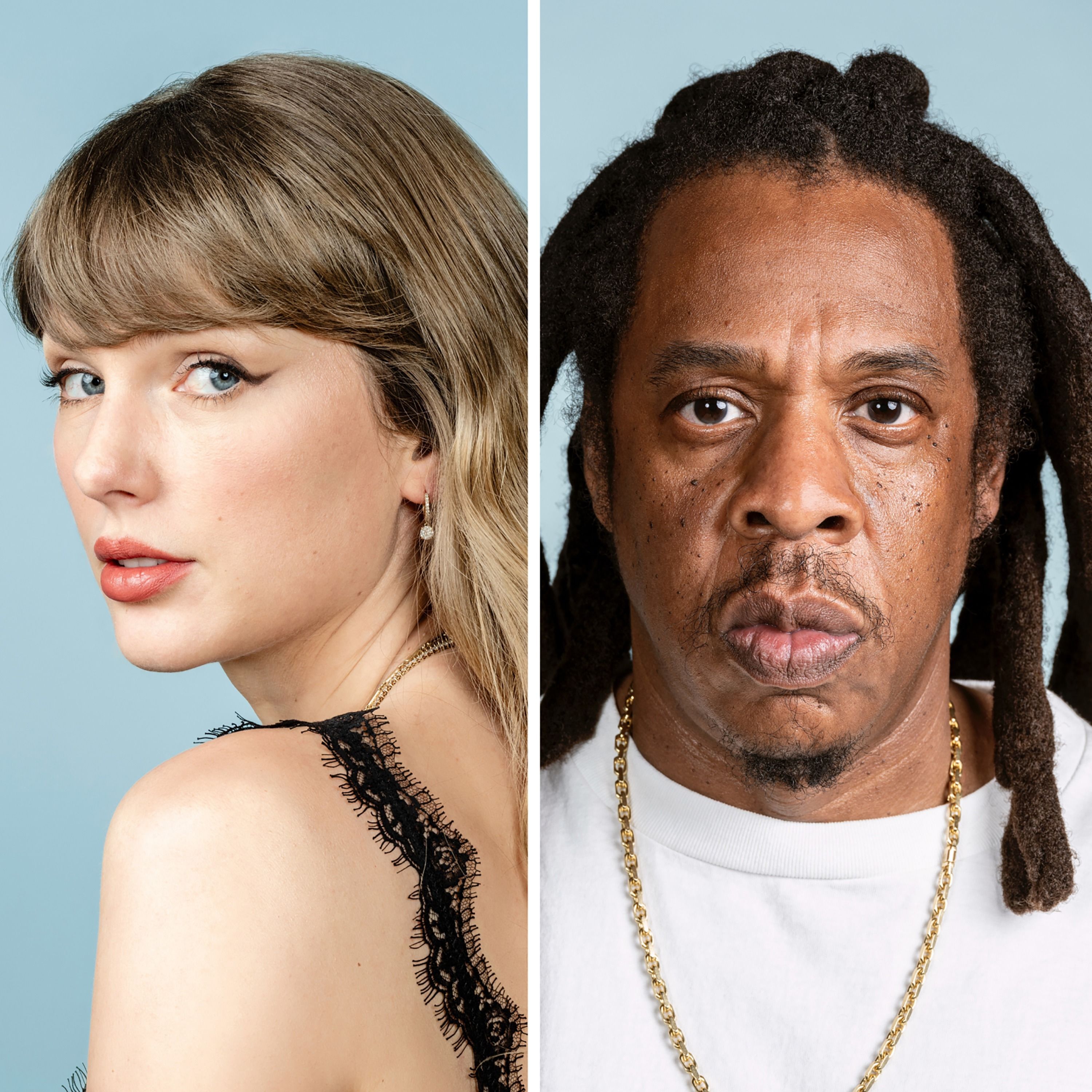
The 30 Greatest Living American Songwriters artwork

episode · Checking source

The 30 Greatest Living American Songwriters

The Daily

Roughly a year ago, a team at The New York Times Magazine set about tackling a nearly impossible task: creating a list of the greatest living American songwriters. But how to take the tens of thousands of songwriters working in this country and narrow them down to a digestible list? The answer involved thousands of voting ballots, hundreds of music industry insiders and a series of closed-door meetings among a small group of music experts. The result, The Times’s list of the 30 greatest living American songwriters, was published this week. Today, Michael Barbaro talks with Sasha Weiss, a deputy editor of The Times Magazine, who oversaw the project, as well as Joe Coscarelli and Jody Rosen, two members of the cadre of critics assigned with compiling the final list. They discuss the list-making process, what defines a great songwriter and why Billy Joel didn’t make the final cut. We also hear from some of the songwriters featured on the list, including Taylor Swift, Nile Rodgers and the songwriting team of Brandy Clark, Shane McAnally and Josh Osborne. On Today's Episode: Sasha Weiss is a deputy editor of The New York Times Magazine. Joe Coscarelli is a culture reporter for The Times. He is a co-host of “Popcast,” a producer of the “Song of the Week” video series and the author of “Rap Capital: An Atlanta Story.” Jody Rosen is a contributing writer for the magazine and the author of “Two Wheels Good: The History and Mystery of the Bicycle.” Background Reading: The 30 Greatest Living American Songwriters Cast Your Vote for the Greatest Living American Songwriters Photo credit: Stefan Ruiz for The New York Times For more information on today’s episode, visit nytimes.com/thedaily . Transcripts of each episode will be made available by the next workday. Subscribe today at nytimes.com/podcasts or on Apple Podcasts and Spotify. You can also subscribe via your favorite podcast app here https://www.nytimes.com/activate-access/audio?source=podcatcher . For more podcasts and narrated articles, download The New York Times app at nytimes.com/app. Hosted by Simplecast, an AdsWizz company. See pcm.adswizz.com for information about our collection and use of personal data for advertising.

View original